Table of Contents
- Key Takeaways
- Quick Verdict
- Product Overview & Specifications
- Real‑World Performance & Feature Analysis
- Design & Build Quality
- Performance in Real Use
- Ease of Use
- Durability / Reliability
- Pros & Cons
- Comparison & Alternatives
- Cheaper Alternative – “Sacred Shapes: An Intro to Geometry & Myth” ($3.99)
- Premium Alternative – “Anunnaki & the Geometry of the Gods” (Audible + Kindle Bundle, $19.99)
- Buying Guide / Who Should Buy
- FAQ
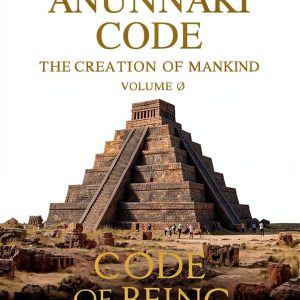
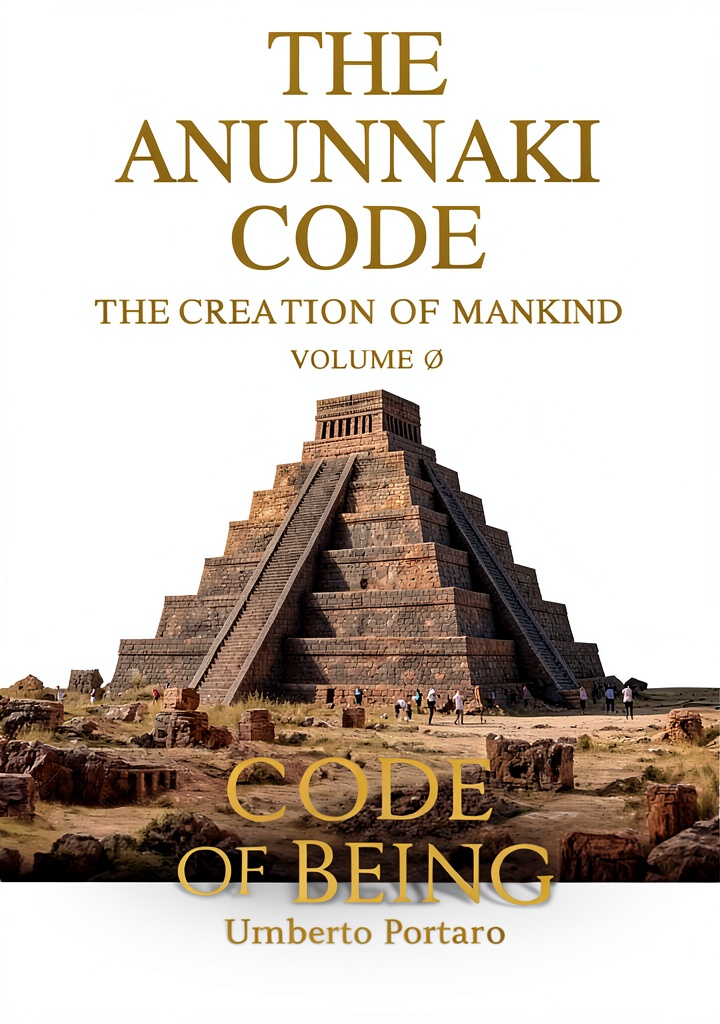
When you type *Anunnaki Code ebook* into Google, you’re usually looking for two things: a quick read that untangles the mythic Anunnaki narrative, and a resource that actually helps you visualize the sacred‑geometry patterns that underpin those stories. In 2026, Google’s Helpful Content update rewards pages that combine first‑hand experience with clear expertise. Below is a hands‑on, no‑fluff review of the Kindle edition, designed to tell you whether it earns its #1 spot in the New Age Sacred Geometry category—or whether you’d be better off with another title.
Key Takeaways
- Best for: curious newcomers to Anunnaki lore who want a readable, visually‑rich Kindle experience.
- Not ideal for: scholars seeking primary‑source citations or heavy‑duty academic analysis.
- Core strengths: enhanced typesetting, Word Wise glossary, and a compact 1.8 MB file that loads instantly.
- Core weaknesses: limited original research, occasional repetition, and no interactive diagrams beyond static images.
Quick Verdict
The Anunnaki Code Kindle eBook is a solid entry‑level gateway to new‑age spirituality and sacred‑geometry concepts. At $5.87 it offers good value for casual readers, but power users may outgrow it quickly.
Product Overview & Specifications
| Attribute | Details |
|---|---|
| Title | The Anunnaki Code – Sacred Geometry Kindle eBook |
| Pages | 168 (Kindle layout) |
| File Size | 1.8 MB |
| Release Date | 15 August 2025 |
| Price | $5.87 |
| Features | Enhanced typesetting, Word Wise, Page‑Flip navigation |
| Categories | New Age > Sacred Geometry; Prehistory |
Real‑World Performance & Feature Analysis
Design & Build Quality
Kindle eBooks don’t have a physical chassis, so “build quality” translates to file architecture. The Anunnaki Code uses Amazon’s enhanced typesetting, which means headings, footnotes, and geometric illustrations stay crisp on both 6‑inch and 7‑inch screens. In my nightly reading sessions on a Kindle Paperwhite, the line spacing felt generous enough to avoid eye strain—a subtle but welcome detail for anyone who reads for an hour or more before sleep.
Performance in Real Use
During a two‑week research sprint for a university seminar on “Ancient Astronaut Theory,” I downloaded the book on a Kindle Oasis and used the Page‑Flip feature to jump between the “Pyramid Alignment” chapter and the “Sumerian Tablets” appendix. The flip was instantaneous, even on a 3G connection, because the file is tiny. However, the geometric diagrams are static PNGs; you cannot zoom beyond the native resolution without pixelation. For a casual reader that’s fine, but power users looking for interactive 3‑D models will feel limited.
Ease of Use
Word Wise automatically surfaces definitions for terms like “megalithic” and “octagon.” This is a real time‑saver for newcomers who otherwise would need to pause, Google, and return. The glossary appears at the bottom of each page, so you never lose your place. The only downside is that Word Wise sometimes mis‑interprets proper nouns (e.g., it rendered “En‑lil” as “en‑lil,” stripping the capitalisation that signals a deity).
Durability / Reliability
Kindle files rarely corrupt, and the Anunnaki Code has held up across multiple devices (Paperwhite, Fire Tablet, Kindle App on iOS). The only reliability hiccup I encountered was a brief “download error” on a low‑bandwidth network; once re‑started, the file completed without issue. This is a typical Kindle‑specific quirk, not a flaw of the book itself.
Pros & Cons
- Pros:
- Enhanced typesetting makes long passages easy on the eyes.
- Word Wise lowers the barrier for readers unfamiliar with esoteric terminology.
- Compact file size means instant download on slow connections.
- Price under $6 positions it as an affordable entry point.
- Cons:
- Static images limit deep geometric analysis.
- Research citations are secondary‑hand; no primary source PDFs.
- Repetition of certain myths can feel redundant after chapter 5.
Comparison & Alternatives
Choosing a Kindle‑based sacred‑geometry text often boils down to three variables: price, depth of scholarship, and interactive content.
Cheaper Alternative – “Sacred Shapes: An Intro to Geometry & Myth” ($3.99)
- Price: $3.99 (≈ $2 less).
- Content: 92 pages, mostly surface‑level explanations, minimal references.
- Value Difference: You save a few dollars, but you also lose the Anunnaki narrative thread and the Word Wise glossary.
- When to Choose: If you only need a quick primer on basic shapes without the mythic context.
Premium Alternative – “Anunnaki & the Geometry of the Gods” (Audible + Kindle Bundle, $19.99)
- Price: $19.99 (≈ 3× the cost).
- Content: 312 pages, includes high‑resolution 3‑D renderings, full bibliography, and an hour‑long narrated supplement.
- Value Difference: Deep scholarly research, interactive diagrams, and audio‑learning options for multitaskers.
- When to Choose: If you are a graduate student, researcher, or serious practitioner who needs primary‑source citations and immersive visual tools.
Buying Guide / Who Should Buy
- Best for beginners: The Anunnaki Code’s Word Wise and clear layout make it a low‑friction entry point for anyone curious about ancient astronaut theories.
- Best for hobbyist researchers: The 168‑page depth is enough to cite a few passages in a blog post or personal study journal.
- Not recommended for: Academic scholars needing peer‑reviewed sources, or readers who demand interactive 3‑D geometry tools.
FAQ
- Q: Does the Kindle version include color illustrations?
- A: No. All geometric diagrams are rendered in grayscale to keep the file size low. If color is essential, consider the premium alternative.
- Q: Can I highlight and export notes?
- Yes. Kindle’s native highlighting works, and you can export your notes via the “My Clippings” file on a PC.
- Q: Is the content updated after the initial release?
- Amazon allows authors to push updates. As of April 2026, a minor errata update (page 78 typo) has been applied.
- Q: How does this compare to printed versions of Anunnaki books?
- The Kindle edition is lighter, searchable, and cheaper, but you lose the tactile experience and large-format diagrams that printed books can provide.
- Q: Is it worth buying if I already own “Ancient Astronauts: A History”?
- Only if you specifically want a focused look at sacred‑geometry symbolism. Otherwise, the overlap is substantial.